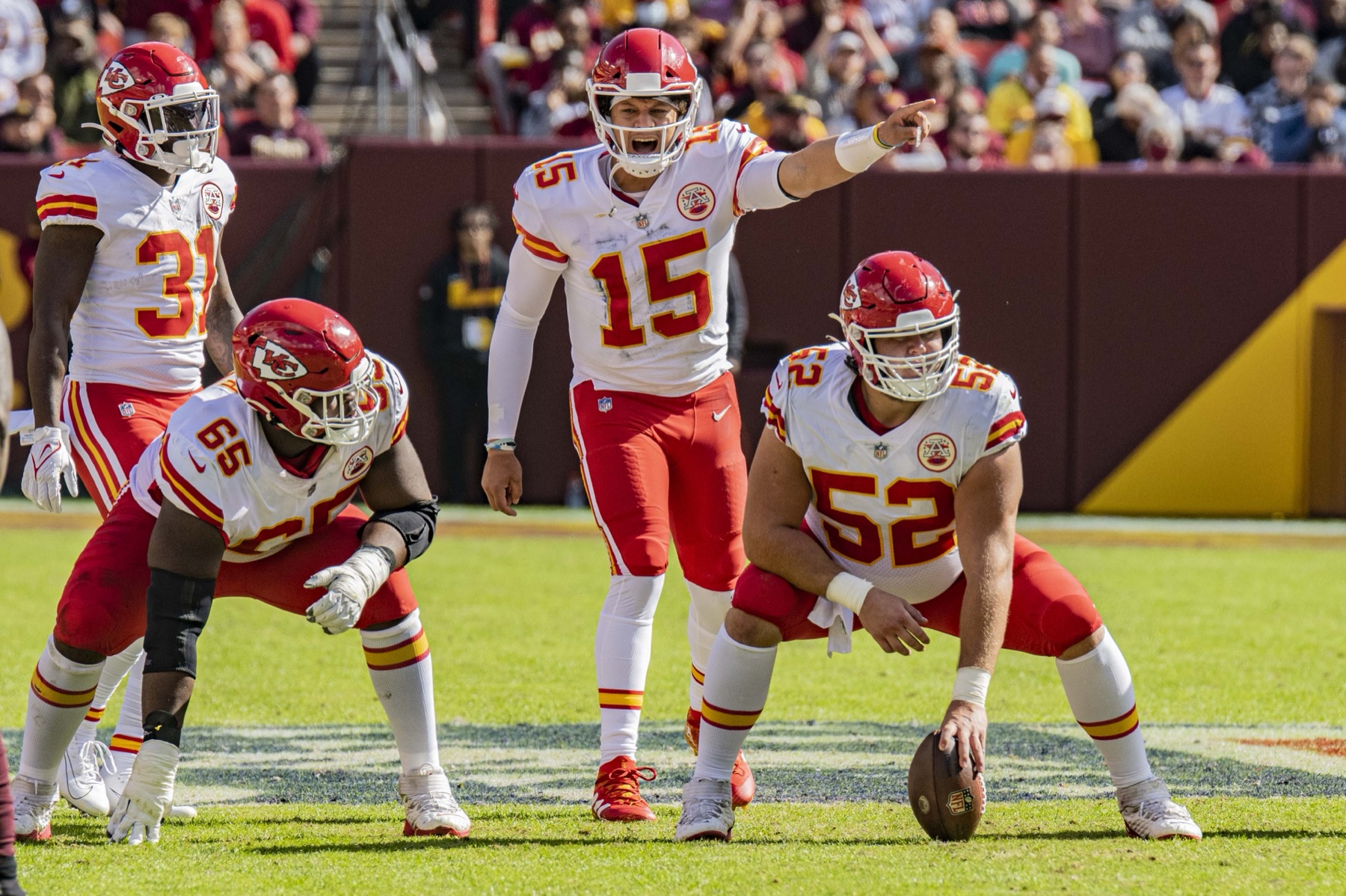

The NFL offseason creates a familiar trap. Fans want a clean quarterback list, analysts want a clean tier graphic, and social media wants one player to become the symbol of either disrespect or delusion. But most quarterback stories are not really about who is better in a vacuum. They are about who is carrying the most pressure into the next public checkpoint.
Pressure is not the same as talent. A good quarterback can be under more pressure than a worse one if the contract is larger, the roster is ready, the coach is out of excuses, or the market believes the team should already be winning. That is why the camp narrative matters. The first shaky practice, the first viral overthrow, or the first quote about timing can become a proxy battle for every unresolved question around the franchise.
Why fans care
Quarterback arguments travel because they are simple on the surface and emotional underneath. Every fan base is either defending its guy, doubting another team's guy, or waiting for the first sign that a rival is in trouble. The pressure index gives the debate a cleaner structure. Instead of yelling about whether a player is top five, top ten, or overpaid, the question becomes more useful: what happens if the early signs are not clean?
Key context
The biggest variables are contract expectation, offensive line stability, new play-caller adjustment, receiver trust, and schedule difficulty. A quarterback with a new coordinator may need patience. A quarterback with a massive extension may not get it. A quarterback on a young team can sell growth. A quarterback on a veteran roster has to sell results.
What is next
Watch how each team frames early camp reports. Positive language about command, timing, and leadership usually means the club wants calm. Repeated focus on mechanics, rhythm, or competition usually means the room is already managing the story.