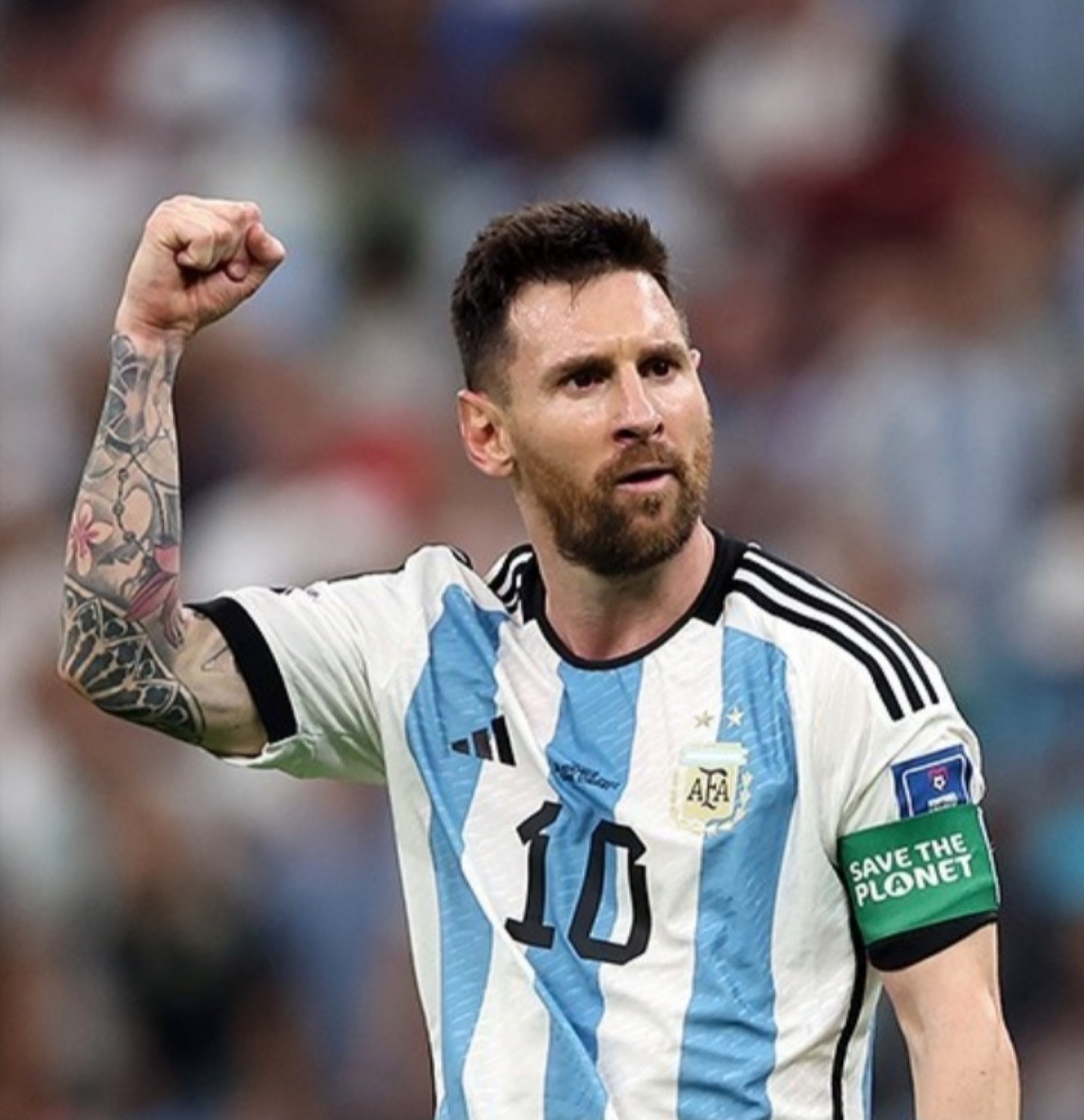

The Champions League is global because it turns club soccer into high-compression theater. Domestic form matters, squad depth matters, and tactical detail matters, but the knockout stage rewards the story fans can repeat immediately after the final whistle.
That does not mean the loudest rumor should control coverage. Transfer chatter and dressing-room speculation can distract from the actual match questions: who controls tempo, which fullback gets targeted, who survives the first twenty minutes, and whether the favorite can handle a game state that turns ugly.
Why fans care
UCL nights create identity pressure. Big clubs are not just trying to win. They are trying to confirm status. Smaller clubs are not just trying to survive. They are trying to turn one tie into proof that the hierarchy can bend.
Key context
The best debate framing connects tactics to stakes. A high line is not just a tactical choice if the opponent has elite transition speed. A cautious midfield is not just defensive if the manager knows one mistake can define the season.
What is next
Track the cleanest story before the match, then test it against the first thirty minutes. If the match contradicts the narrative, that becomes the postgame angle.