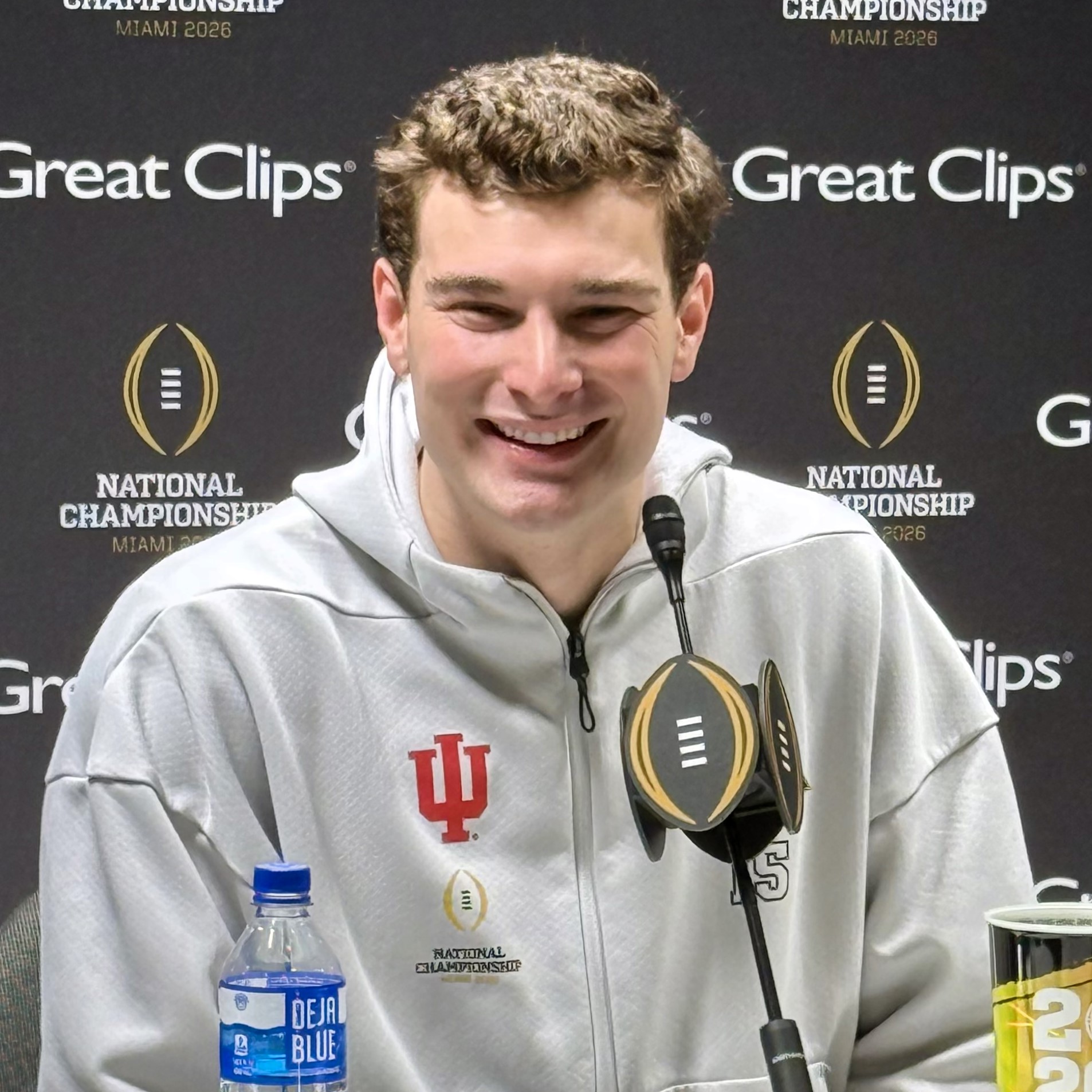

The first round is nearly signed. The remaining suspense is not spread across edge rushers, tackles, corners, and receivers anymore. It has narrowed to two quarterbacks: Fernando Mendoza and Ty Simpson.
That is why the unsigned list matters. Rookie contracts are slotted, so this is not a normal superstar holdout in the veteran sense. The bigger read is about timing, guarantees, offset language, cash flow, and how quickly two franchises want their quarterback rooms settled before the summer noise gets louder.
Why fans care
For Raiders fans, Mendoza is not just another unsigned rookie. He is the No. 1 overall pick, the face of the draft class, and the player tied to the next version of the offense. Even if the contract mechanics are mostly predictable, every open day invites a bigger question: when does the new quarterback stop being a transaction and start being the center of the building?
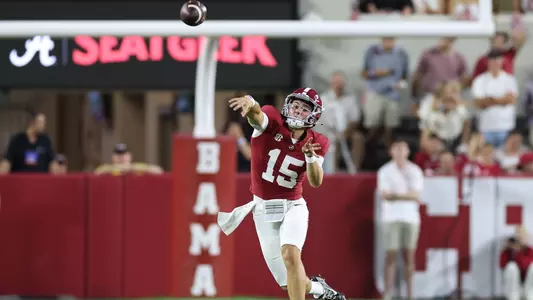
For Rams fans, Simpson is a different kind of story. Los Angeles took him at No. 13, which made the pick a succession argument the moment it happened. The unsigned status does not mean panic. It does mean the quarterback plan stays visible, because a first-round quarterback behind an established veteran is never just a depth chart note.
The contract angle
The useful read is not "quarterbacks are refusing to sign." It is that quarterback contracts get interpreted differently because the position carries the franchise story. A delayed defensive tackle deal can stay administrative. A delayed quarterback deal turns into camp timing, reps, leadership optics, and whether the club wants any distraction around the most visible rookie in the room.
Mendoza's case is especially clean because No. 1 overall picks become symbols before they take a snap. The Raiders can frame the deal as routine, but the outside conversation will still measure how quickly the rookie face of the class is fully locked in.
Simpson's case is more layered. The Rams do not need the same immediate starter framing, but that almost makes the contract watch more interesting. A developmental first-round quarterback still has to be integrated, coached, and protected from becoming a weekly referendum before he is supposed to be one.
What is next
The next checkpoint is simple: which deal lands first, and whether either negotiation survives long enough to become a camp headline. If both contracts close quickly, this becomes a small June footnote. If one drags, the story changes from paperwork to pressure.
That is the quarterback tax. The contract slot may be normal. The attention never is.