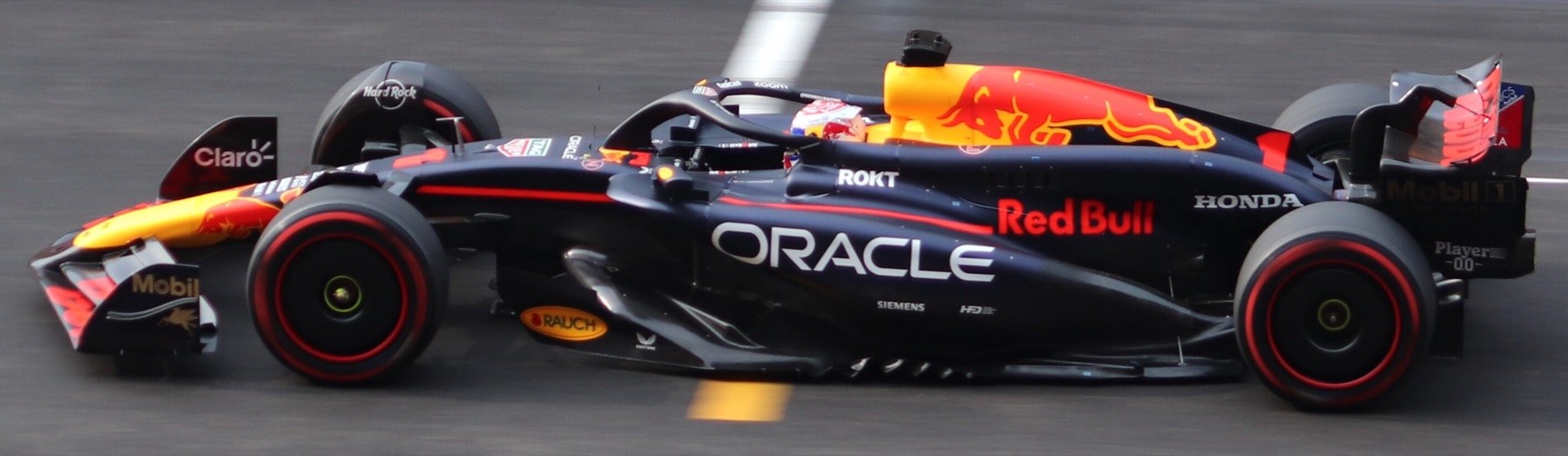

Formula 1 races can be complicated. Strategy, safety cars, tire degradation, track position, and team orders all create layers that make post-race arguments messy. Qualifying is cleaner. The format still has variables, but the emotional pitch is simple: the driver gets one narrow window to prove pace under pressure.
That is why qualifying clips travel. A perfect lap feels obvious even to a newer fan. A mistake looks brutal immediately. A teammate gap becomes a week-long debate because the comparison is direct enough to sting.
Why fans care
Qualifying gives fans a pressure scoreboard before the race has room to explain itself away. If a driver misses Q3, if a team mismanages timing, or if traffic ruins a lap, the story is instant. It also creates cleaner narratives for Threads because the framing is short: who delivered when the margin was smallest?
Key context
Track evolution matters. So does tire temperature, out-lap traffic, and whether the car's strength is one-lap pace or race pace. A qualifying result is not always a full ranking of driver quality, but it is one of the best public stress tests in the sport.
What is next
The best qualifying debate is not only pole position. Watch teammate gaps, eliminated contenders, strategy errors, and whether a midfield team found pace that can survive race conditions.