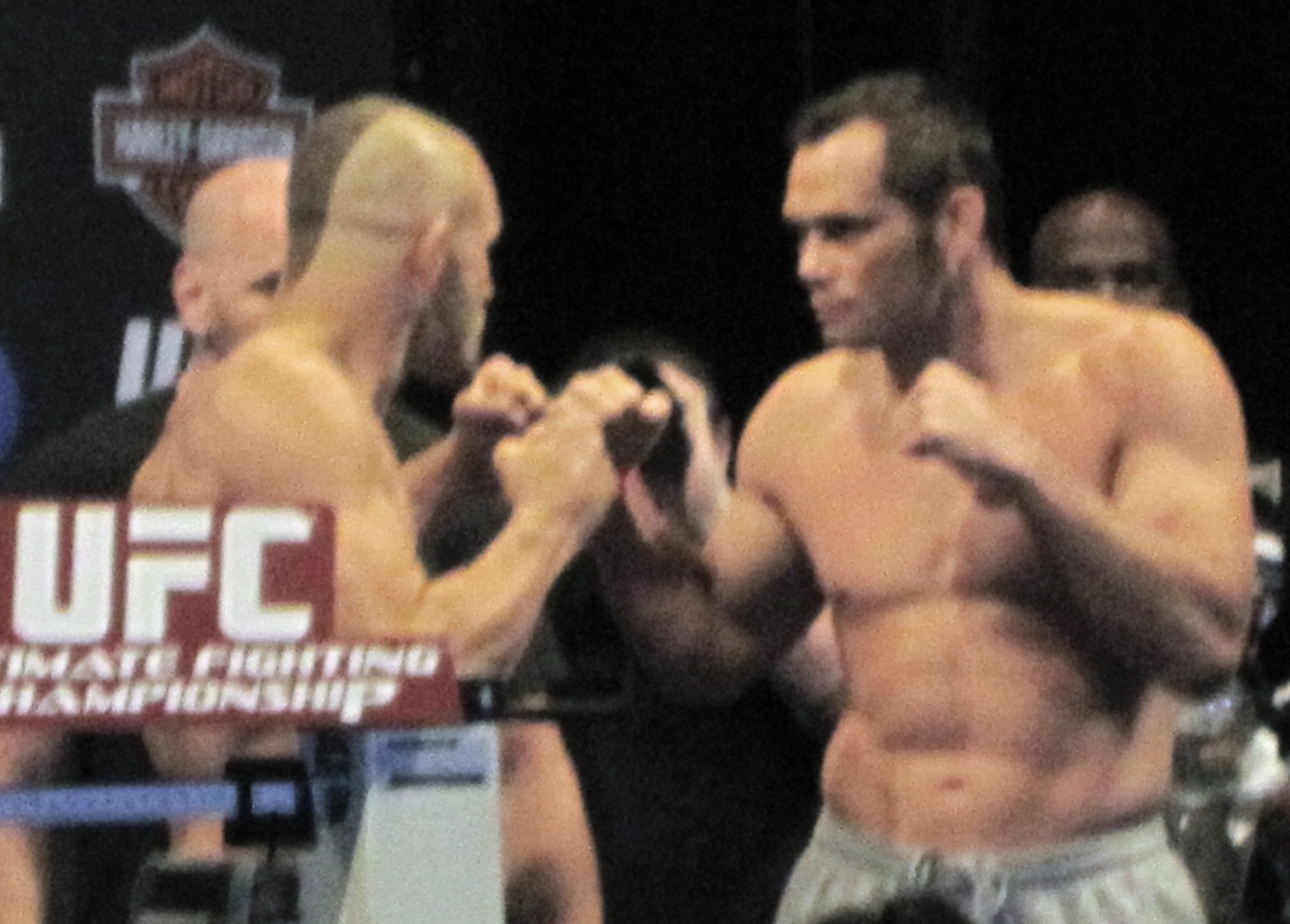

Fight week is where casual confidence often collides with physical reality. A fighter can sound unbeatable in camp quotes and still look uncomfortable when the public obligations stack up. Fans notice those signals early because combat sports make body language part of the product.
The important thing is not to overreact to every stare-down or interview. Some fighters always look flat. Some always talk nervously. The better read is change from baseline. If a usually relaxed fighter looks irritated, if a usually measured striker starts promising chaos, or if a known cardio fighter appears drawn out, the debate becomes more interesting.
Why fans care
UFC discourse travels because the stakes are clean. Two people enter, one result rewrites the timeline. Fans want to know whether the public version of a fighter matches the private cost of the camp.
Key context
Weight class, late replacement dynamics, stance matchup, takedown threat, and five-round experience all matter. So does the media environment. A fighter handling a first main-event week may face a different stress load than a veteran who has lived through the same routine many times.
What is next
Watch weigh-ins, faceoffs, and final interviews as signals, not verdicts. The strongest fight week read connects visible cues to the matchup itself.